
E3Metrics researchers have published three new studies advancing the understanding of how science is produced, evaluated and organized across disciplines. Together, they address three key dimensions of contemporary research systems: publication cultures in the humanities, the recognition of contributions in team science, and gender parity in national research ecosystems. The results provide complementary perspectives on research assessment reform and support the development of more responsible metrics.
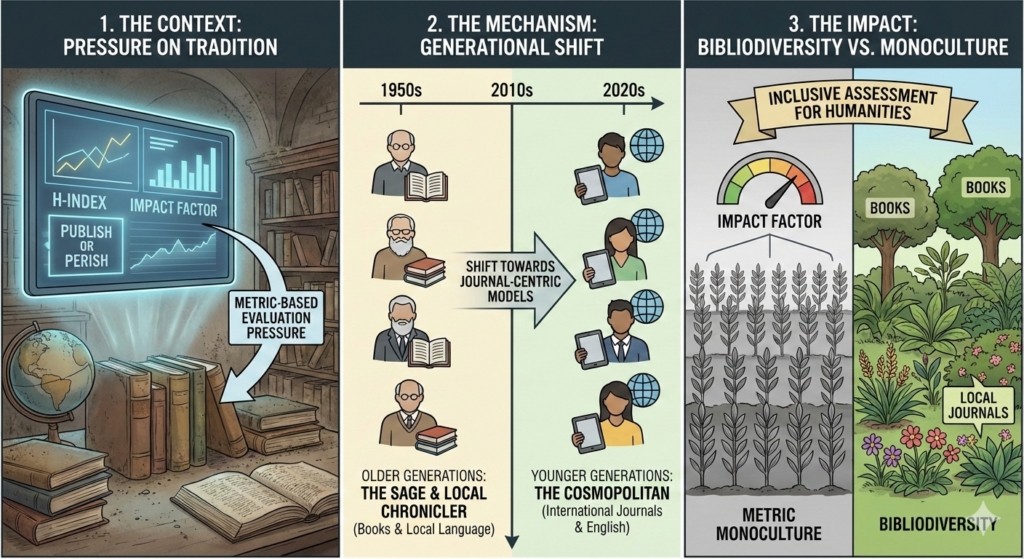
The first study (1) analyses publication trajectories of nearly 40,000 humanities scholars from Spanish-speaking countries between 1950 and 2021. It identifies six archetypal publication profiles and shows a clear generational shift toward journal-centred communication driven by evaluation systems. Nevertheless, books and local-language outputs remain structurally important, highlighting the need for assessment frameworks that preserve bibliodiversity and disciplinary specificity
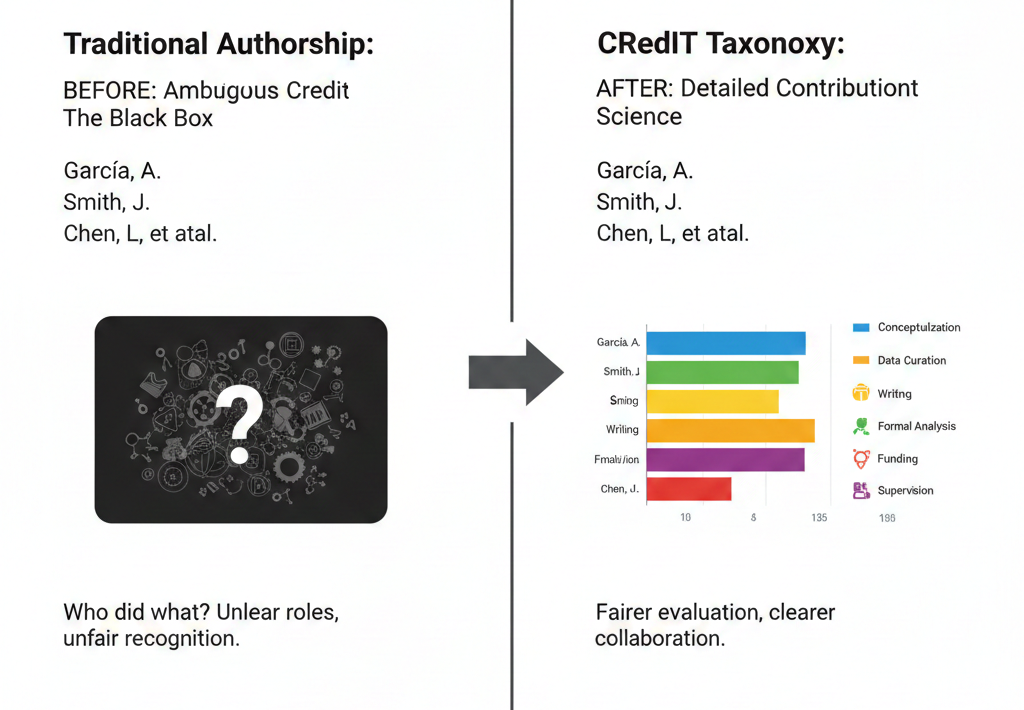
A second large-scale analysis (2) examines more than 700,000 journal articles to explore how contribution statements based on the CRediT taxonomy describe scientific labour. The findings demonstrate that authorship order alone cannot capture collaboration dynamics and that contribution roles vary substantially across fields. The study confirms the value of contributorship data for understanding teamwork and improving fairness in research evaluation
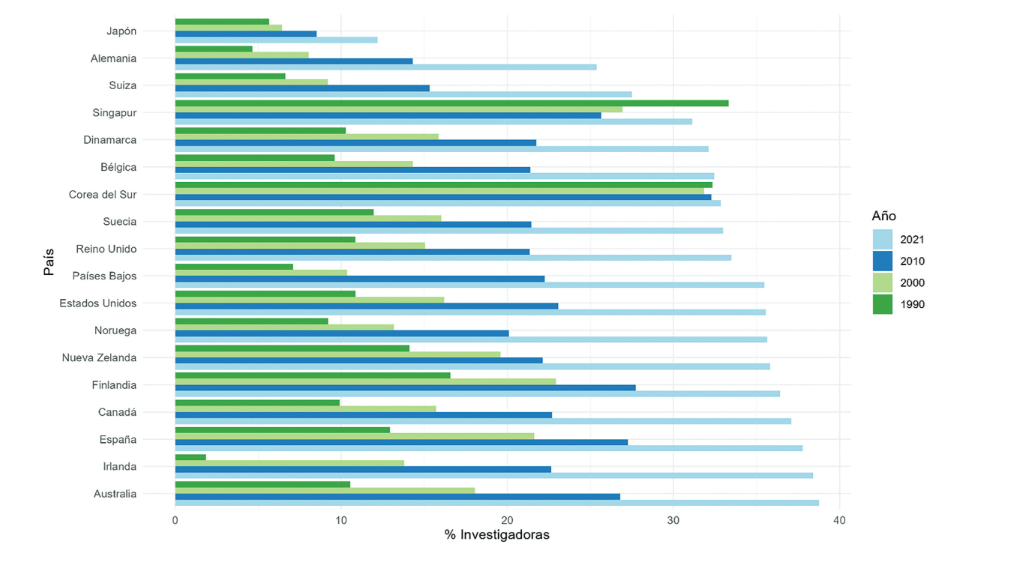
Finally, a comparative bibliometric study (3) on Spain evaluates the evolution of gender parity in science from 1990 to 2021. Women researchers have increased their presence and exceed the global average, but disparities persist across disciplines, particularly in STEM areas. The work also questions the adequacy of parity as a single indicator and argues for multidimensional monitoring of equality policies
Together, these three contributions reinforce a common conclusion: research assessment requires richer evidence about publication practices, collaboration structures and diversity patterns. By combining large-scale bibliometric data with conceptual reflection, E3Metrics continues to support international efforts toward more inclusive and responsible evaluation systems.
References:
(1) Robinson-Garcia, N.; Arroyo-Machado, W.; González-Salmón, E.; Torres-Salinas, D. (2026). Publication patterns in the humanities: an author-level analysis of generational shifts and changing research agendas. Humanities and Social Sciences Communications.
(2) González-Salmón, E.; Di Césare, V.; Xiao, A.; Robinson-Garcia, N. (2025, preprint). Beyond authorship: Analyzing disciplinary differences of contribution statements using the CRediT taxonomy.
(3) González-Salmón, E.; Robinson-Garcia, N. (2025). Women scientists in Spain: a comparative study of the last 30 years. Revista Española de Documentación Científica, 48(4), 1767.